The content in the next paragraphs pertaining to What Causes AC Pipes To Freeze? is unquestionably insightful. Check it out for your own benefit and see what you think of it.
Intro
Finding that your air conditioning pipeline is iced up can be concerning, particularly during warm summer months when you rely upon your air conditioning system one of the most. Understanding what to do in such a scenario is essential to stop further damage to your air conditioning system and ensure your convenience inside your home.
Recognizing the Causes
Several aspects can add to the freezing of an AC pipeline. Recognizing these reasons can help you address the problem effectively.
Absence of Airflow
One usual cause of an icy AC pipe is inadequate airflow. When the airflow over the evaporator coil is restricted, it can create the coil to go down below freezing temperature level, bring about ice formation on the pipe.
Low Refrigerant Levels
Inadequate cooling agent degrees in your air conditioner system can additionally cause a frozen pipe. Low refrigerant degrees can create the pressure in the system to drop, resulting in the cold of wetness on the evaporator coil.
Cold Weather Conditions
In cooler climates, freezing temperature levels outside can contribute to the cold of AC pipelines. If your a/c unit is not appropriately protected or if there are leakages in the ductwork, cold air can infiltrate the system, causing the pipe to ice up.
Dirty Air Filters
Unclean or blocked air filters can restrict air movement in your air conditioning system, bring about different issues, consisting of a frozen pipeline. It's essential to replace or clean your air filters consistently to make certain correct air movement and prevent ice buildup.
Signs of a Frozen AC Pipe
Recognizing the signs of an icy air conditioning pipe is crucial for prompt activity.
Lowered Airflow
If you see a considerable reduction in airflow from your vents, it might indicate an icy pipe.
Ice Buildup on the Pipe
Visible ice build-up on the refrigerant line or the evaporator coil is a clear sign of an icy AC pipeline.
Weird Sounds from the Unit
Unusual audios, such as hissing or bubbling, originating from your air conditioning system can indicate that there's ice present on the pipe.
Immediate Actions to Take
When faced with an icy a/c pipe, it's vital to act rapidly to prevent additional damage to your air conditioning system.
Turning off the air conditioning
The first step is to shut off your a/c to stop the system from running and intensifying the problem.
Looking for Blockages
Check the location around the interior device for any kind of blockages that might be obstructing airflow, such as furnishings or drapes.
Defrosting the Pipe
You can utilize gentle techniques like placing towels soaked in cozy water around the icy pipeline to assist thaw it slowly.
Preventive Measures
Taking safety nets can aid prevent future occurrences of an icy AC pipeline.
Routine Maintenance Checks
Schedule normal maintenance consult a specialist HVAC service technician to guarantee that your air conditioning system is running successfully.
Altering Air Filters
Consistently replace or clean your air filters to avoid air movement restrictions and keep optimum performance.
Protecting Exposed Pipes
If your air conditioner pipes are revealed to chilly temperature levels, take into consideration shielding them to avoid freezing during winter season.
Looking For Professional Help
If DIY techniques fail to deal with the issue or if you're unsure regarding how to proceed, it's ideal to seek assistance from a qualified HVAC service technician.
When DIY Methods Fail
If your attempts to thaw the pipe or address various other concerns are unsuccessful, it's time to call in a professional.
Importance of Hiring a Professional HVAC Technician
A qualified HVAC service technician has the experience and tools necessary to diagnose and repair issues with your air conditioning system safely and efficiently.
Final thought
Taking care of a frozen air conditioner pipeline can be an irritating experience, yet recognizing exactly how to react can aid lessen damages and bring back convenience to your home. By comprehending the reasons, acknowledging the indicators, and taking timely action, you can efficiently deal with the issue and avoid future events.
Why Is My AC Pipe Frozen? Uncovering the Root Cause
Understanding the Science Behind AC Pipe Freezing
If your AC pipe is frozen, there are a few things that could be causing the problem. One possibility is that the temperature outside is too cold for the pipe to function properly. Another possibility is that there is a blockage in the pipe that is preventing the flow of refrigerant.
If you think that your AC pipe is frozen, you should call a professional to come and take a look at the problem.
If you notice that your AC pipe is frozen, it’s important to take action right away. A frozen AC pipe can lead to serious damage to your AC unit and your home.
Here are a few reasons why your AC pipe may be frozen:
The temperature outside is too cold. If it’s cold enough outside, the air can actually freeze the water in your AC unit. This can lead to a build-up of ice, which can then block the flow of air and cause your AC unit to overheat. 2. There’s a problem with your AC unit. If your AC unit isn’t working properly, it can cause the surrounding air to cool down too much. This can lead to the water in your unit freezing. 3. There’s a problem with your home’s insulation. If your home isn’t properly insulated, the cold air can seep in and cause the water in your AC unit to freeze. How do I stop my AC pipes from freezing?
First, check the insulation on your pipes. If it is old or damaged, it may be time to replace it.
You can also wrap the pipes in heating tape, which will help to keep the heat in and prevent the pipes from freezing.
Finally, make sure that your AC unit is properly maintained and that the filters are clean. This will help to ensure that the unit is working properly and that the air flow is not restricted.
To prevent your AC pipes from freezing, there are several steps you can take.
<1.Check your air filter and replace it if it’s dirty. A dirty filter can restrict airflow and cause the evaporator coil to freeze. 2. Ensure that your thermostat is set to the correct temperature. Keeping your home too cold can cause the pipes to freeze. 3. Inspect your ductwork for any leaks or damage that could be causing the system to work harder than necessary. 4. Keep your home’s humidity levels in check. High humidity can cause the evaporator coil to freeze. 5. Consider installing a freeze sensor, which will shut down the system if it detects that the pipes are starting to freeze.
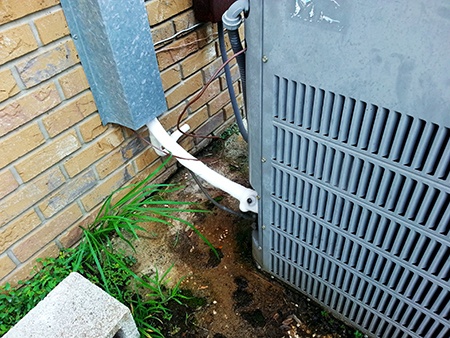
Do you enjoy more info about Have a Frozen AC Line? Here’s How to Fix It? Make a short review down below. We will be glad to listen to your opinions about this entry. Hoping to see you back again in the near future. If you please set aside a second to share this blog post if you enjoyed reading it. Many thanks for your time. Visit us again soon.
Further Details